Inside Early Careers - December Edition
%20(1200%20x%20675%20px).jpg)

Inside Early Careers - December Edition
2025 in Review + What the Autumn Budget Means for Early Careers in 2026
Welcome to the final edition of Inside Early Careers for 2025.
2025 has been a year where assumptions quietly fell away.
AI stopped being theoretical. Budgets became tighter. And early careers hiring moved from ambition to accountability, faster than many expected. Employers have had to be more deliberate about where they invest time, money, and energy. At the same time, graduates have become clearer (and more confident) about what they want from work and from the employers they choose.
This month, we’re taking a step back to reflect on what the past year has taught us, what we’re seeing directly from students and graduates, and how those insights shape what comes next.
In this edition:
- A review of the key early-careers shifts we saw in 2025
- Insights from our latest student conversations and surveys
- What we’re carrying into January and beyond
Year in Review: 2025
Looking back, 2025 has been one of the most defining years we’ve seen in early careers hiring.
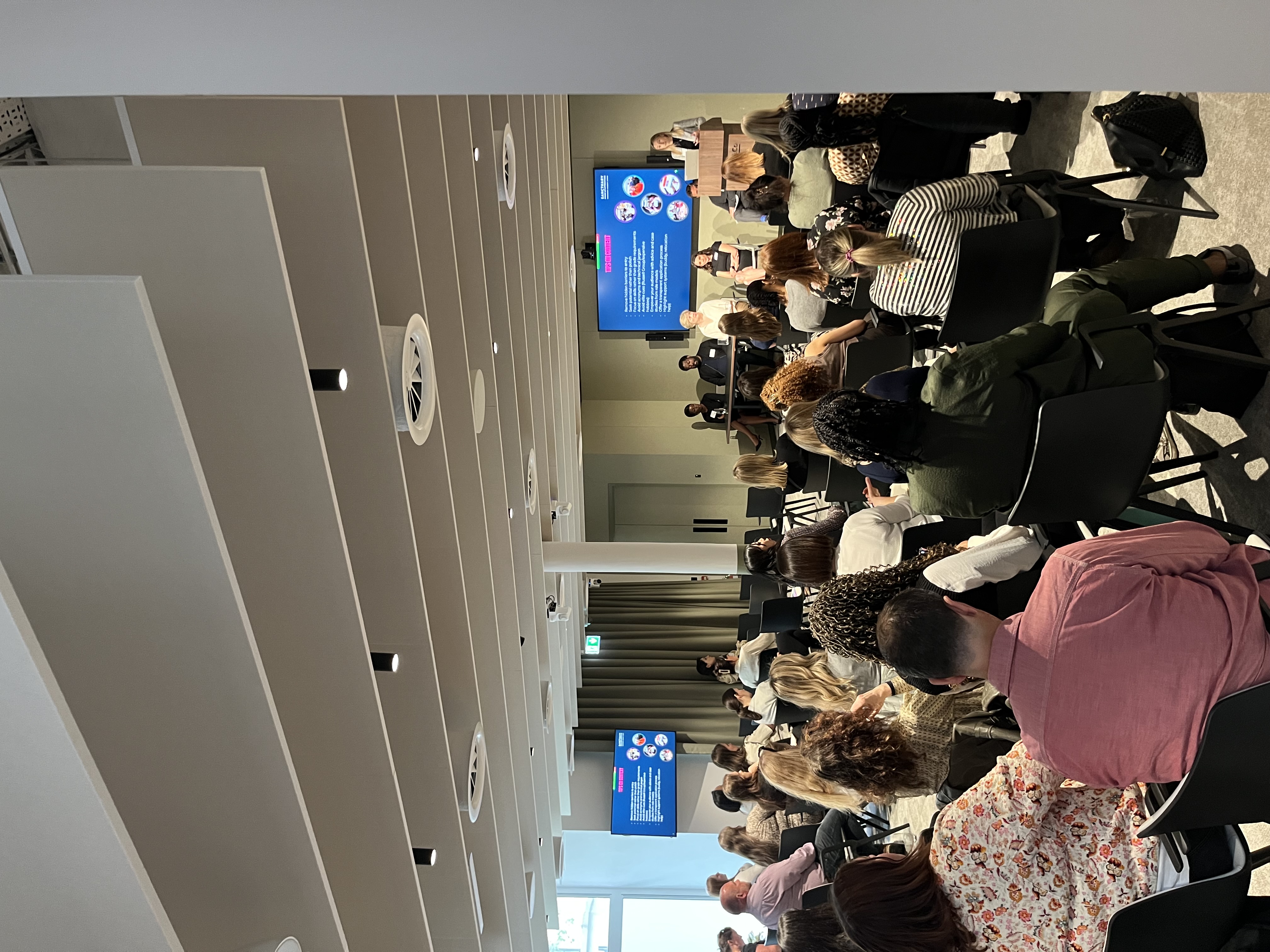
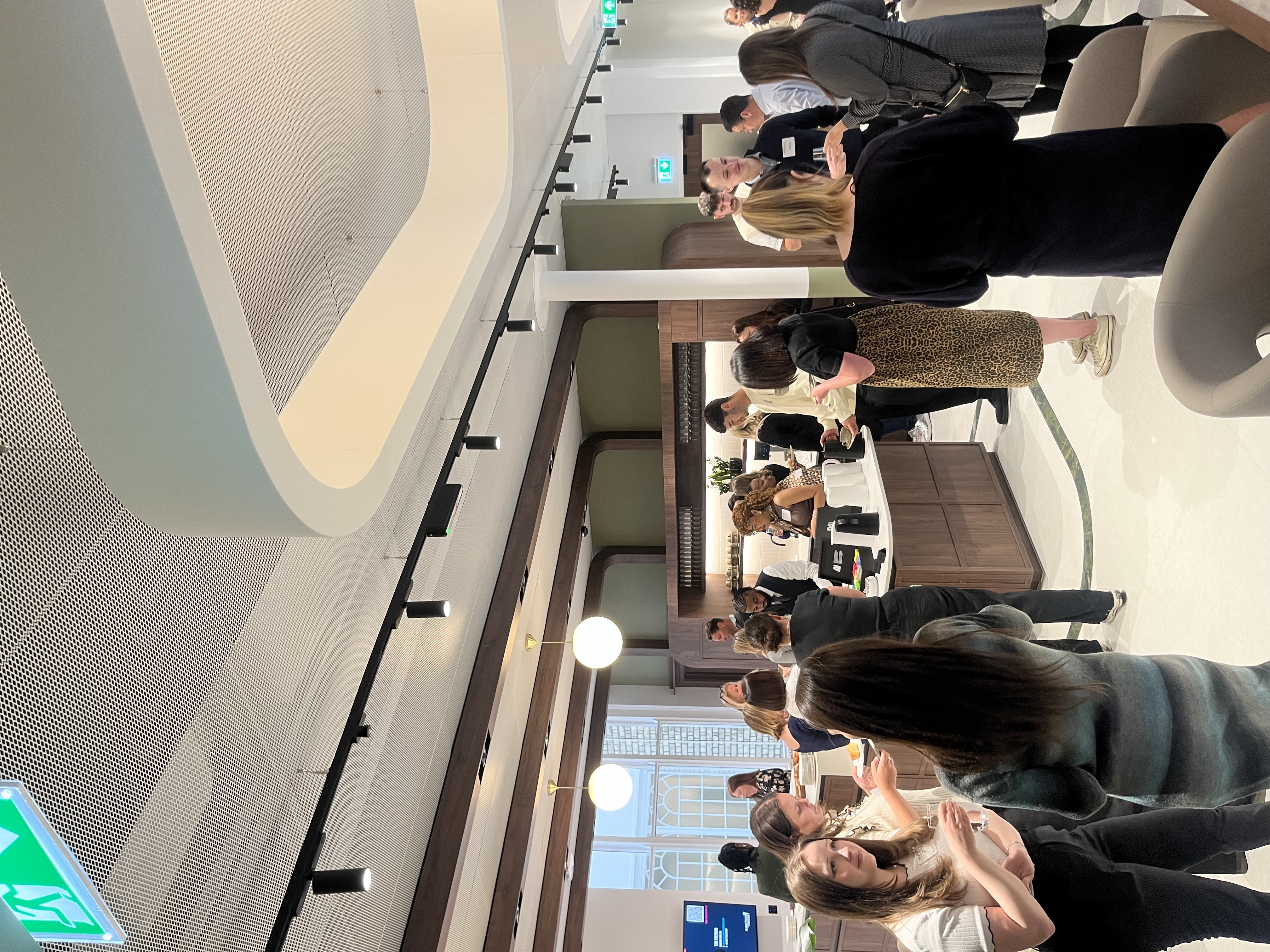
From being recognised with DE&I Inclusion and Best Early Careers Awards, to running both in-person and virtual Social Mobility Conferences, to navigating a market shaped by cost scrutiny, ROI pressure, and cautious hiring - there’s been a lot to unpack.
But beyond activity and headlines, the real story of 2025 sits in how hiring behaviours changed.
What shifted - why it mattered - and what employers did differently
Volume stopped being a proxy for success
High application numbers no longer signalled a strong campaign. Employers became more focused on relevance, suitability, and conversion - and less tolerant of noise.
Skills-first moved from theory into practice
What began as a pilot idea became a necessity. Contextual assessment and potential-focused evaluation gained ground as teams looked for fairer, more effective ways to hire.
Candidate experience became a retention lever, not a ‘nice to have’
The quality of communication, clarity of process, and tone of engagement started to show up directly in acceptance rates and early attrition.
Belonging influenced offer acceptance more than perks
In conversation after conversation, graduates told us the same thing: feeling supported early mattered more than surface-level benefits.
Graduates consistently told us they cared less about surface-level benefits and more about whether they felt supported, understood, and able to succeed once they joined.
Against a difficult backdrop, progress didn’t come from reinvention. It came from getting the basics right, consistently.
What Progress Actually Looked Like
While the market was challenging, many employers made meaningful progress by focusing on fundamentals.
Strengthening early support
Managers who checked in regularly during the first few months made a measurable difference to confidence, performance, and retention. Small, consistent touchpoints mattered more than formal programmes alone.
Reducing ambiguity
Clear timelines, honest expectations, and consistent communication helped graduates feel grounded - particularly in a tight financial climate where uncertainty was already high.
Making progression visible
Showing what the first 12, 18, and 24 months really look like - through real examples rather than abstract frameworks - helped candidates make more confident decisions and reduced early disengagement.
Being transparent about the journey
When employers were open about the pace of progression and what was required at each stage, engagement went up and anxiety went down.
In a year where pay was under pressure, clarity became one of the most valuable parts of the offer.
Insights From Our Latest Student Conversations
Across campuses, assessment centres, and ongoing surveys, a few consistent themes emerged:
- Graduates want development that feels realistic and supported, not accelerated for the sake of it
- They value managers who are present and invested early on
- They are increasingly comfortable asking direct questions about workload, progression, and expectations
- They are more likely to walk away when answers feel vague or overly polished
The consistent thread wasn’t entitlement or hesitation, it was a desire for honesty and direction.
.jpg)
What We’re Building On in Early 2026
2026 isn’t about chasing trends. It’s about embedding what we know works - more deliberately.
We’ll be building on:
- Skills-first hiring, moving from pilots to performance-driven implementation
- Belonging by design, embedding inclusion into assessment, onboarding, and early development - not treating it as an add-on
Alongside this, the Autumn Budget has reinforced what many employers already feel: resources need to work harder, hiring decisions need to be more intentional, and early careers strategies need to deliver both fairness and return.
That’s where we’ll be focusing our attention in the months ahead.
Looking Ahead to January
In January, we’ll be sharing:
- Practical examples of skills-first hiring in action
- How employers are reducing reneges through small, human design choices
- What strong early-career programmes are doing differently in a constrained market
Thank you for reading Inside Early Careers throughout 2025 - and for the conversations, challenges, and collaboration along the way.
We’ll be back in January with practical insights shaped by what this year has taught us. Until then, we wish you a restorative end to the year and a steady start to 2026.